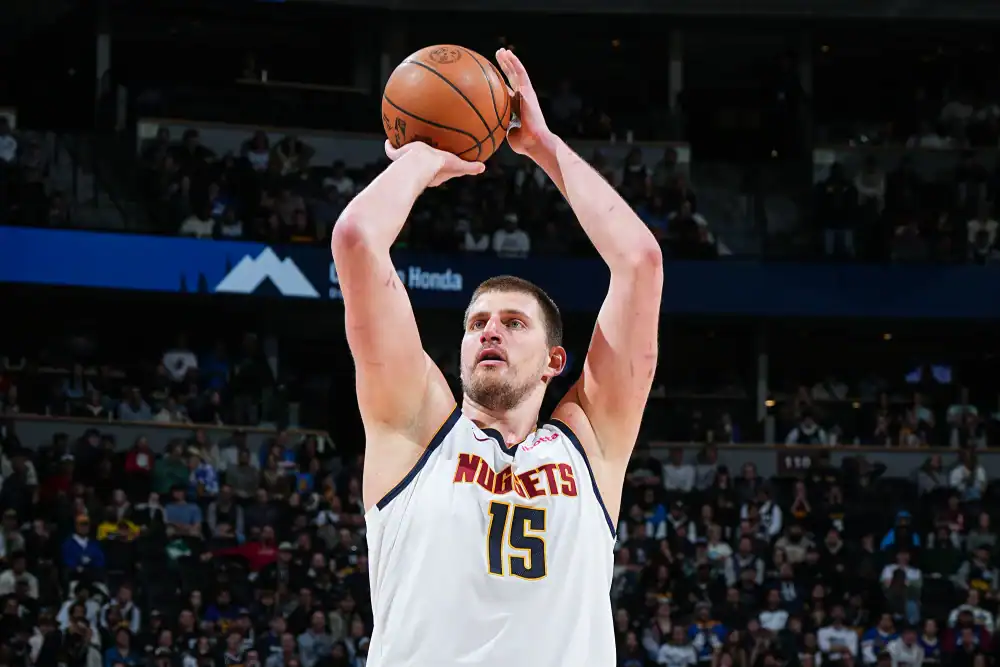
NBA trades never wait for the offseason anymore. They arrive suddenly, flipping team chemistry and shaking entire fan bases overnight.
When the notification hit screens—Kevin Durant to Houston in a seven-team trade—it felt unreal.
Fans didn’t even know how to react. How could a franchise still rebuilding from the Harden era suddenly land Durant, a player who had just been the centerpiece of Phoenix’s title push?
The answer is ambition. Houston’s front office finally decided that growth through patience was a mirage. Instead of waiting for their young core to mature, they pulled every future chip they had and turned it into present-day gravity. Durant’s arrival doesn’t just change box scores—it changes Houston’s psychology.
For the first time in years, Toyota Center crowds will watch a team expected to win, not one politely hoping to compete. Yet this trade also exposes Houston’s fragility: when you stack stars on a still-maturing foundation, the cracks of ego and defense widen quickly.
Table of Contents
The Lakers Trade That Split Opinion
If there’s one franchise that treats NBA trades as a birthright, it’s the Lakers. They’ve never been afraid to exchange tomorrow for drama today.
That philosophy reached new extremes with the Anthony Davis–Luka Dončić swap.
At first, the reaction was chaos. Trading a proven big man for a 25-year-old generational playmaker is either genius or lunacy, depending on which broadcast you tune in to.
But there’s logic behind it—a pure NBA trade machine logic that values durability, timeline, and long-term ceiling more than emotional attachment.
Davis gave the Lakers a ring but came with nightly anxiety about injuries. Dončić offers youth, control, and the kind of offensive creation that survives any era. It’s no coincidence that ticket demand spiked and jersey sales doubled within days. The Lakers didn’t just trade players—they traded identities.
For the first time since the bubble championship, Los Angeles feels built around the future rather than nostalgia.
NBA Trades & Signings: The Season’s Real Movement
Every offseason begins with fireworks, but the story of NBA trades and signings rarely ends in July. It evolves. General managers test the nba trade machine privately in their own way — calculating which contracts, ages, and locker-room fits can survive an 82-game grind.
Houston Rockets: The New Power Core
When the Rockets pulled off the seven-team Kevin Durant deal, it wasn’t just another superstar chase. It was a message. Houston, after years of patient rebuild, suddenly carries a championship window. The franchise now balances Durant’s prime with a young supporting cast that has never faced this kind of spotlight.
Los Angeles Lakers: Waiting, Watching, Calculating
Fans searching “NBA TRADES Lakers” this fall find speculation, not chaos. The Lakers made only a modest draft-night swap, but their front office is clearly staging the next move. With cap slots and trade exceptions aligned for mid-December, Los Angeles could again pivot toward a veteran wing or a secondary scorer. It’s the calm before a very deliberate storm.
Golden State Warriors: Extending the Window
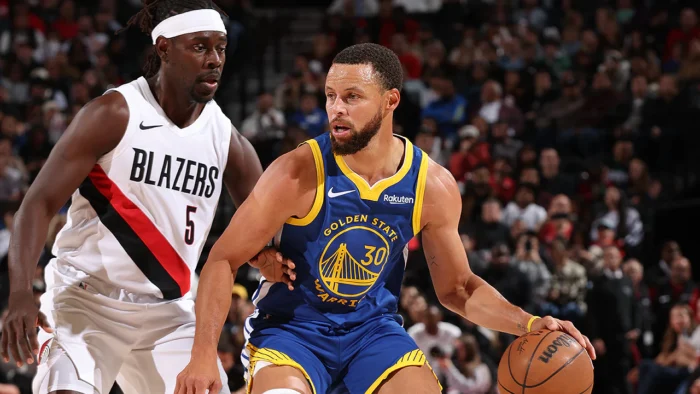
The NBA TRADES Warriors conversation feels familiar — aging stars, limited flexibility, and whispers of a “last dance.” Still, the franchise has proven it can retool without tearing down. Expect Golden State to monitor two-way wings and versatile bigs as trade eligibility opens in December. Any move now is about supporting Stephen Curry’s twilight, not rebuilding after it.
Denver Nuggets and Brooklyn Nets: The Smart Swap
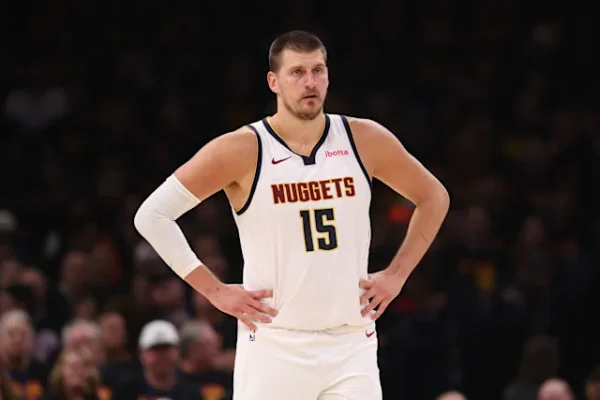
One of the few confirmed moves that checked all boxes came early — Cam Johnson for Michael Porter Jr. It was clean, balanced, and mutually useful. Denver shaved long-term salary while keeping shooting; Brooklyn secured a potential cornerstone for the next rebuild cycle. It’s the kind of mid-tier trade analytics executives love to point to later as “sensible basketball economics.”

Sacramento Kings: The Veteran Touch
Not every transaction needs to headline SportsCenter. The Russell Westbrook signing added both experience and narrative weight. Sacramento didn’t sign him to chase highlights; they signed him to manage tempo, preserve De’Aaron Fox’s energy, and stabilize bench minutes. Add the reported Keegan Murray extension, and the Kings suddenly look less like an experiment and more like a structured playoff team.
The NBA trade machine will light up again after December 15, when most new contracts become eligible to move. Then on January 15, another group enters play, and the countdown to the February 5, 2026 trade deadline begins.
That’s when watchlists turn into phone calls, and rosters shift overnight. Until then, the league’s power brokers are setting the chessboard — quietly, deliberately, and with every cap number in mind.
Winners & Losers: Who Gained and Who’s Stuck
The Winners
Houston Rockets
Landing Kevin Durant in a seven-team mega deal instantly repositioned Houston from a developmental roster into a Western Conference threat. Beyond the highlight, this trade stabilized their identity — veteran leadership at the top, youthful spacing below, and a fan base that finally has reason to talk about May instead of March.
Denver Nuggets
Denver’s decision to move Michael Porter Jr. for Cam Johnson wasn’t glamorous, but it was efficient. Johnson fits the system’s tempo, offers defensive flexibility, and costs less long-term. It’s the sort of underappreciated trade that lets contenders stay financially alive while remaining dangerous on the court.
Sacramento Kings
The Kings’ quiet wins came through timing. Signing Russell Westbrook for one season is low-risk, high-mentorship value, and the Keegan Murray extension signals a front office that now understands continuity is its currency. Sacramento’s moves might not trend on social media, but they mature the roster in ways analytics often miss.
The Losers
Boston Celtics
The Celtics offloaded Kristaps Porziņģis and Jrue Holiday in their multi-team deal, gaining salary flexibility but losing two veteran stabilizers. Boston is betting on long-term agility over short-term structure, but in a loaded East, that gamble could make them look thin when it matters most.
Brooklyn Nets
Brooklyn continues to oscillate between rebuilding and relevance. Trading away Cam Johnson for an inconsistent Michael Porter Jr. reads like a delayed rebuild, not a reset. If Porter Jr. regains health and consistency, this will age fine — but for now, the Nets look more reactive than strategic.
Golden State Warriors
The Warriors haven’t lost a trade; they’ve lost time. Their hesitation in the market — understandable given contracts and legacy pieces — risks letting the season’s momentum drift away. If no significant move comes by the trade deadline, the phrase “NBA trades Warriors” might be replaced by “missed opportunities.”
The Waiting Zone
Some teams are neither winning nor losing — they’re watching. The Los Angeles Lakers sit here for now, holding assets for the right midseason trigger. It’s the delicate art of timing: act too soon, and you overspend; act too late, and your season defines you instead of the other way around.
NBA Trade Machine
Every fan knows the thrill of firing up the NBA Trade Machine. It’s the league’s unofficial laboratory — a digital sandbox where impossible ideas meet hard math. What feels like fantasy often crashes into the cold rules of the Collective Bargaining Agreement: cap holds, bird rights, base-year compensation, and luxury tax thresholds. It’s not just fun; it’s education wrapped in imagination.
The trade machine reflects a truth NBA front offices live every day — every dollar must align with every dribble. A blockbuster only works if the contracts match within the allowed percentage, if player options sync with cap exceptions, and if ownership agrees to the luxury cost of contention. When a casual fan proposes a trade between the Lakers and Warriors, they’re unknowingly reenacting the exact balancing act general managers face each morning.
🧮 1. ESPN NBA Trades Machine
Why it’s popular:
- Uses official salary and contract data updated by ESPN’s CBA team.
- Validates trades instantly with “Trade Accepted” or “Trade Failed” logic based on cap rules.
- Lets you pick from all 30 teams, swap multiple players, and include future picks.
💡 Pro tip: If you write “nba trade machine Lakers” or “nba trade machine Warriors” in your article, link those phrases to ESPN’s simulator with rel="nofollow" for SEO-safe relevance.
🧾 2. Fanspo NBA Trades Machine
Why analysts love it:
- Much more advanced than ESPN’s version.
- Handles three-team deals, stepien rule enforcement, and custom trade exceptions.
- Generates shareable URLs for fan proposals (great for embedding screenshots or social media posts).
📊 3. RealGM Trades Checker
Why it’s useful:
- Focuses on financial legality, not fan interaction.
- Displays exact salary differentials and exceptions used in each scenario.
- Trusted by many cap-space writers for double-checking math before publishing trade columns.
Betting on the NBA: Read the Game Beyond the Score
NBA trades and signings don’t just change rosters — they shift betting lines overnight. A single transaction can turn an underdog into a favorite or move win totals by several points. Always track roster updates before placing wagers, compare odds across sportsbooks, and remember that the smartest NBA betting follows trends, not emotions.
Final Take on NBA Trades
Every year, the league shifts less by the highlight trades and more by the subtle alignments behind them. The NBA trades and signings of 2025–26 are less about noise and more about positioning — who controls flexibility, who controls narrative, and who controls patience.
The next chapter begins in December, when speculation gives way to movement and the nba trade machine stops being theoretical.