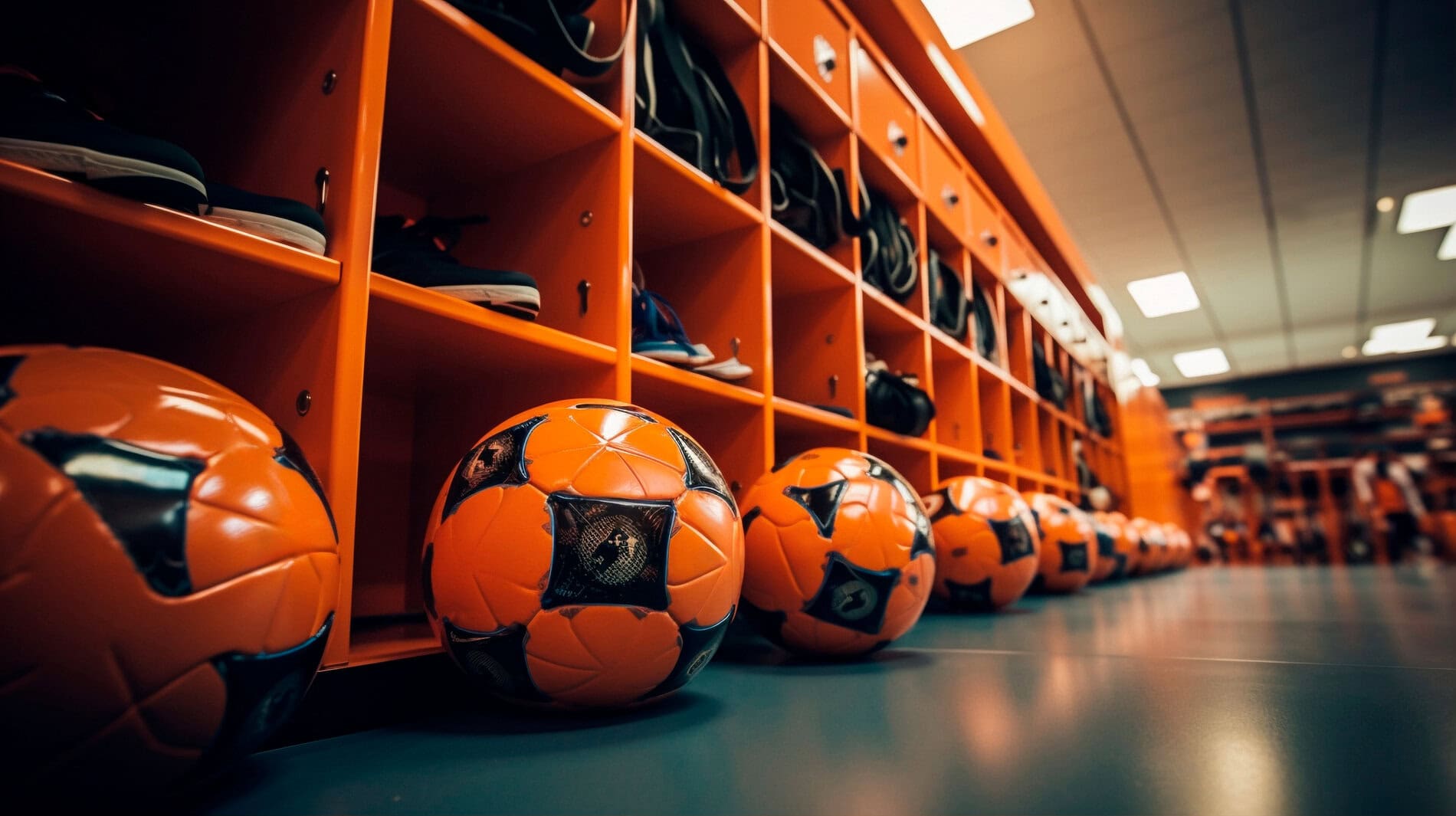
Knowing how to store sports equipment the right way can save you space, protect your gear, and keep your home organized year-round. Whether you’re dealing with seasonal items, bulky training gear, or kids’ sports accessories, choosing the right storage method makes a huge difference.
When your gear has a clear home, you stop stepping over it, you stop replacing it early, and you stop wasting time digging through mystery boxes before practice or a game.
Good storage isn’t glamorous, but it quietly makes every training cycle easier.
Storing sports equipment properly keeps your gear clean, safe, and ready for the next season without cluttering your home. A simple system that separates active items from off-season pieces, combined with basic cleaning and smart placement, helps your equipment last longer and saves you time before every training cycle. When large or bulky items overwhelm your space, using a reliable storage facility becomes the easiest way to keep everything organized.
Start by Separating Active Gear from Sleeping Gear
The first step in how to store sports equipment is shockingly simple.
You separate what you use now from what you won’t touch for a few months.
In warmer states where summers get intense, a climate-controlled unit can also protect materials from constant heat and humidity swings.
That’s the kind of environment that slowly melts adhesives, cracks plastics, and warps anything with foam.
If you live in Southern California, for example, you might decide to keep your out-of-season bikes, bulky training gear, or spare team equipment in a trusted Riverside California storage facility, while only your everyday training pieces stay at home.
That one decision can free up a shocking amount of space and keep your main rooms from turning into gear tunnels.
Active gear should always live closest to you.
If you’re currently in basketball season, the ball, shoes, socks, and pads belong in the most accessible part of your room, not buried behind winter skis.
Off-season gear needs a separate zone where it can rest without getting in the way.
This might be the top shelf of a closet, a corner of the garage that stays dry, or a dedicated storage nook that only changes when seasons change.
Some items follow you all year, like water bottles, compression pieces, and certain shoes.
These deserve a neutral “all-season” spot so you’re not constantly moving them from box to box.
Once you have those three basic groups, your space already feels less chaotic, even before you buy a single box or rack.
You know what is in play, what is sleeping, and what works across sports.
Always Clean Gear Before You Put It Away
The second rule of how to store sports equipment is non-negotiable.
Never store anything dirty if you expect it to last.
Sweat, dirt, grass, sand, salt, and lake water all keep working on your gear long after practice ends.
If you toss things into a dark bag or stuff them into a corner, you are literally giving bacteria and moisture a perfect little home.
Before you move gear into off-season mode, give it a simple reset.
Wash jerseys and base layers, wipe down pads and helmets, clean your rods and reels, knock dried mud off cleats, and let shoes and gloves dry fully in fresh air.
This doesn’t have to turn into an all-day project.
Even a quick clean, combined with proper drying, will dramatically slow wear and tear.
The payoff comes months later when you open the box again.
Instead of being hit with a wave of stale sweat and strange smells, you pull out gear that feels ready to use.
Choose Storage Spots That Match Your Home and Your Habits
Once your gear is clean, you can start thinking about where it actually lives.
How to store sports equipment is partly about psychology, because if the system is annoying, you won’t follow it.
Try to use naturally low-traffic spaces.
Back corners of closets, the top of wardrobes, under-bed containers, and sections of a tidy garage all work well as long as they stay dry and not hot or cold.
Go vertical whenever you can.
Hanging bikes on hooks, standing skis in a rack, and using shelves instead of floors frees up more square meters than most people expect.
Keep sports that belong together physically close.
If you know that winter means skis and snowboards, let them share one area, and let your warm-weather sports share another, so your body automatically remembers where to look.
The point of all this is not to hide your gear.
It is to make it visible, safe, and easy to grab without turning the whole house upside down.
Protect Your Gear From Heat, Moisture, and Weight
The environment quietly decides how long your equipment lives.
A pair of shoes stored in a cool, dry closet will outlast the same pair forgotten in a hot, damp garage.
If you want to master how to store sports equipment, pay attention to temperature and humidity.
Rooms that swing wildly between freezing and boiling are bad news for plastics, foams, and glues.
Try not to stack heavy objects on top of softer gear.
A toolbox pressing on pads, or a random crate sitting on helmets, slowly crushes their shape and protection.
Always make sure fabrics are completely dry before you close any lid.
Even a thin layer of moisture trapped in a sealed container is enough to cause mold, smell, and fabric damage over a single off-season.
When Home Space Isn’t Enough Anymore
Sometimes the problem is not technique, it’s volume.
If you have multiple bikes, several fishing setups, team uniforms, or equipment for kids and adults, even the best closet plan runs out of room.
At that point you can either let the gear take over your living space, or you can move the bulkiest items somewhere designed to hold them.
Self-storage is often the cleanest answer.
Many athletes look up “storage units near me” once the garage officially reaches disaster status.
They are not trying to move their whole life out, only the oversized or rarely used items that clog every corner.
Create a Simple End-of-Season Ritual
The final part of how to store sports equipment is turning all of this into a habit instead of a one-time clean-up.
You want a routine that happens automatically whenever a season ends.
Set a short block of time at the end of every season to gather everything for that sport.
Clean what needs cleaning, decide what is broken or dangerous, and move the survivors into their off-season zone.
At the same time, pull out the gear for the sport that is coming next.
Check sizes, inspect straps and buckles, and write down anything that actually needs replacing so you buy with intention instead of in a panic.
After you repeat this a few times, your brain starts to see the pattern.
You stop dreading gear changes, because the storage process becomes just as normal as washing your kit or lacing your shoes.
Expert Insight
Coaches and equipment managers often say that most teams never build a clear routine for returning gear after practice or games.
A simple rotation habit can change everything: each training session or match starts and ends with players putting all equipment back in the same place. When helmets, pads, balls, shoes, and bags always return to their assigned spot, the locker room and storage area stay predictable, clean, and easy to scan before the next session.
That kind of structure keeps players focused on performance instead of hunting for missing gear and reduces stress for everyone on busy game days.
Common mistakes to avoid
A lot of problems start when teams mix current and out-of-season equipment in the same bins, or throw everything into unlabeled boxes “just for now.”
Keeping broken or worn-out gear in circulation only adds clutter and confusion. Stacking heavy items on weak racks or shelves creates a real risk of collapse, while fragile pieces left unwrapped are just waiting to crack or bend. Storing equipment close to damp walls or floors leads to warping, bad smells, and faster wear.
And when there is no weekly reset—no quick check to sort, clean, and put items back where they belong.
The storage room slowly turns into chaos that nobody wants to deal with.
Final Thoughts
You don’t need a perfect Pinterest closet or custom built-ins to learn how to store sports equipment properly.
You just need a few clear rules that respect your gear and your living space.
Clean before you store, separate active from sleeping, use spaces that make sense, protect equipment from harsh environments. Don’t be afraid to move oversized items into dedicated storage when your home gets overwhelmed.
If you treat storage as part of your athletic routine, not an afterthought, every new season will feel lighter, cheaper, and much more organized.
How should I store sports equipment at home?
Keep everything dry, avoid direct sunlight, and use vertical racks or clear bins to prevent moisture buildup and damage.
Why does sports gear develop odor?
Odor forms when sweat and bacteria stay trapped in fabrics or foam padding. Proper ventilation prevents this.
Can I store sports equipment in the garage?
Yes—if the garage is dry and not exposed to extreme temperature swings. Add shelves or sealed bins for protection.
How often should I clean my sports gear?
Wipe down equipment after each use, and deep-clean items like pads, gloves, and shoes at least once a month.
What’s the best way to organize small sports accessories?
Use labeled bins, mesh bags, and drawer dividers to keep small items from getting lost.
Should I store sports equipment indoors or outdoors?
Indoor storage is always best. Outdoor humidity and temperature shifts shorten the lifespan of most gear.