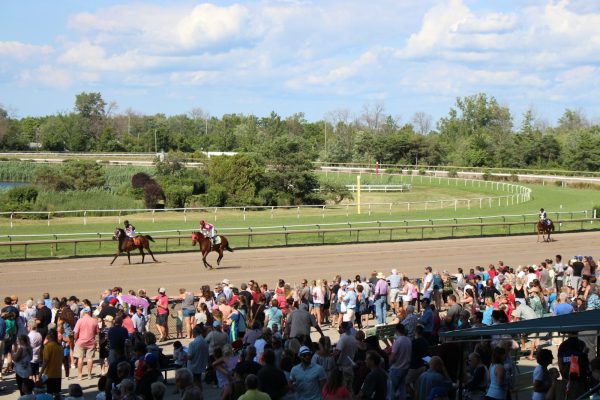
Churchill Downs on Derby Day doesn’t feel like an ordinary sporting event. The atmosphere is filled with excitement and somehow weightier. Twenty young horses load into the gate carrying months of expectation. Two minutes later, everything changes for the stakeholders and for everyone holding a ticket. Kentucky Derby betting carries that same excitement.
The field is bigger. The distance tests horses who’ve never gone this far. Casual money pours in from fans who might bet just once a year. It can feel like a lot to take in at first. Step back, though, and the picture sharpens.
This guide breaks down the key bet types, how Derby odds move, and what to look for before you build your tickets.
Kentucky Derby betting is tougher than most races because a 20-horse field and 1¼-mile distance amplify traffic trouble, pace chaos, and late fades. Focus on core bet types, watch how odds shift with public money, and build a simple ticket that matches your risk comfort.
Table of Contents
The Unique Challenge of Kentucky Derby Betting
Every race has variables. The Derby simply multiplies them.
The 20-Horse Traffic Puzzle
Most races have eight or nine horses. The Derby sends out twenty. When the gates open, it’s tight and tense. Horses brush, jockeys fight for space, and one slow step can leave a contender stuck on the rail.
Trouble trips matter here more than almost anywhere else. A closer can run out of room. A speed horse can empty out too soon. Position and a bit of luck go a long way.
The One-and-Done Distance
The Derby is run at 1¼ miles. That distance sounds modest until you remember these are still developing three-year-olds. None has raced that far before.
Sprinter pedigrees can fade late, while stamina-bred horses often finish strongest. Kentucky Derby betting asks you to look past quick early speed and focus on breeding, style, and who’s still running at the wire.
Public Money Changes Everything
Derby pools are bigger than almost any other race. Casual fans jump in with picks based on names or gut feelings. Morning line odds set earlier in the week can look very different by post time.
That wave of money reshapes the board. Favorites drop, others drift. Grasping that shift helps you stay steady with your Kentucky Derby betting instead of chasing the noise.
Understanding the Core Bet Types Before You Wager
Before diving into a deeper strategy, you need to know what you are actually buying when you place a wager. The mechanics matter more in a 20-horse field, where payouts can swing significantly.
Straight Bets: The Foundation
Straight wagers focus on a single horse.
- Win: Your horse must finish first,
- Place: First or second gets you paid,
- Show: First, second, or third,
- Across the Board: A combination of win, place, and show on one horse.
Many newcomers prefer straight bets; you pick one horse and follow it home. Kentucky Derby betting offers much more. Studying wager types and odds through reputable online sportsbooks makes race day far easier to navigate.
Exotic Bets: Bigger Combinations
Exotic wagers involve multiple horses in precise finishing positions.
- Exacta: Top two finishers in order,
- Trifecta: Top three in order,
- Superfecta: Top four in order,
- Boxing: Covers multiple finishing sequences for a higher cost.
A trifecta in a 10-horse race has 720 outcomes. In the Derby’s 20-horse field, that jumps to 6,840. The jump explains the bigger payouts and why guessing rarely gets you far.
Reading the Odds Without Guessing
Odds in horse racing aren’t fixed by a bookmaker; they shift with the money. Every wager reshapes the board, reflecting public opinion in real time, a pattern woven throughout the official Kentucky Derby history.
Fractional odds show your profit against stake. At 5-1, a $2 win bet returns $12—$10 profit plus $2 back. At 9-2, that same $2 returns $11. The first number signals profit; the second is the base. It looks dated at first glance, yet it’s straightforward once it becomes familiar.
The morning line comes first. It’s posted before betting opens and acts as a starting estimate from the track handicapper. Think of it as a reference point, not a forecast.
As money comes in, the board adjusts. A popular horse might fall from 6-1 to 3-1 within hours, while another drifts up despite solid prep runs. Following those shifts, instead of clinging to the opening line, can sharpen your Kentucky Derby betting read.
Evaluating Contenders Beyond the Hype
The Derby often produces a “buzz horse.” Television panels repeat the name. Social media amplifies it. Sometimes the hype is justified. Sometimes it’s just noise.
Running Styles in a Crowded Field
Front-runners break sharply and try to control the pace, though carrying that speed for 1¼ miles is demanding. Stalkers sit just behind them, ready to strike when the leaders begin to tire, a setup many see as ideal for the Derby.
Closers settle near the back and launch one late run. If a lane opens, it’s thrilling; if not, they run out of ground. Reading how those styles collide adds depth to your Kentucky Derby betting view.
Speed Figures and Trip Notes
Speed figures such as Beyer or Brisnet numbers allow comparison across different tracks. Rising figures over successive prep races can signal improvement at the right time.
Trip notes tell another story. A horse forced wide around the turn or checked sharply in traffic may have performed better than the final result suggests. Watching replays, even briefly, can change your perception.
Prep Races That Matter
Races like the Florida Derby, Arkansas Derby, and Santa Anita Derby form the backbone of the Road to the Kentucky Derby. Horses peaking in these events often carry momentum into May. Form cycles are rarely linear, though. Some regress. Some leap forward unexpectedly.
Post Positions, Track Conditions, and Hidden Angles
Some factors stay quiet all week, then matter all at once on race day. Post draw is one of them. Gates 5 through 10 have produced steady results over time, while the rail has often left horses pinned early. Post 17 still searches for its first Derby winner.
The weather can shift everything. A sloppy track changes footing and rhythm. Certain bloodlines handle mud naturally; others never look comfortable. A dry forecast can flip with one storm cell in Louisville.
For a forward-looking view, the Kentucky Derby 2026 guide outlines race dates, ticket strategy, and how the Road to the Derby unfolds in the months leading up to May.
A Steady Approach on Derby Day
Preparation won’t erase uncertainty, but it makes it manageable. A balanced ticket, perhaps a straight bet with a small exacta, often feels steadier than spreading plays everywhere. A final glance at the odds before post time can confirm your view or prompt a quick rethink.
Kentucky Derby betting isn’t about calling it perfectly. It’s about engaging with the race thoughtfully. The crowd, the stretch run, the noise, those moments matter too. Uncertainty is built in. That’s part of the draw.
*Content reflects information available as of 03/03/2026; subject to change
Why is Kentucky Derby betting harder than a normal race?
The Derby runs a 20-horse field at 1¼ miles, which increases traffic trouble, pace chaos, and late fades compared to smaller, shorter races.
How do Kentucky Derby odds work?
Kentucky Derby odds are pari-mutuel, meaning they move based on how the public is betting. A horse’s price can shift a lot between the morning line and post time.
What are the main bet types for the Derby?
The basics are win, place, and show. Popular exotics include exacta (top two), trifecta (top three), and superfecta (top four), often boxed for more coverage.
What should beginners bet on in the Kentucky Derby?
A simple approach is one straight bet (win/place) plus a small exacta box using two or three horses you trust. It’s easier to manage than spreading across huge tickets.
Do post positions matter in the Kentucky Derby?
Yes. With 20 horses, getting a clean trip is harder, and certain draws can make it easier or tougher to secure position early, especially for speed horses.
What factors matter most when picking Derby contenders?
Running style, recent speed figures, trip notes from prep races, stamina indicators for 1¼ miles, and how the projected pace fits the horse’s strengths.
How should I manage my bankroll on Derby day?
Keep your ticket simple, set a fixed budget before you wager, and avoid chasing late odds swings. One solid opinion plus a small exotic usually beats scattered long-shot guessing.